

ESPR: The Framework for Sustainable Products in the EU
ESPR (Regulation (EU) 2024/1781) is the EU’s new framework for ecodesign of sustainable products, replacing the old directive and expanding obligations for manufacturers, importers, and retailers.
Its goal is for all products on the European market to meet high standards for durability, repairability, recyclability, energy efficiency, and digital traceability.
Product Requirements and Sustainability
Digital Product Passport (DPP)
Obligations for Business
Tools, Implementation, and Strategic Significance
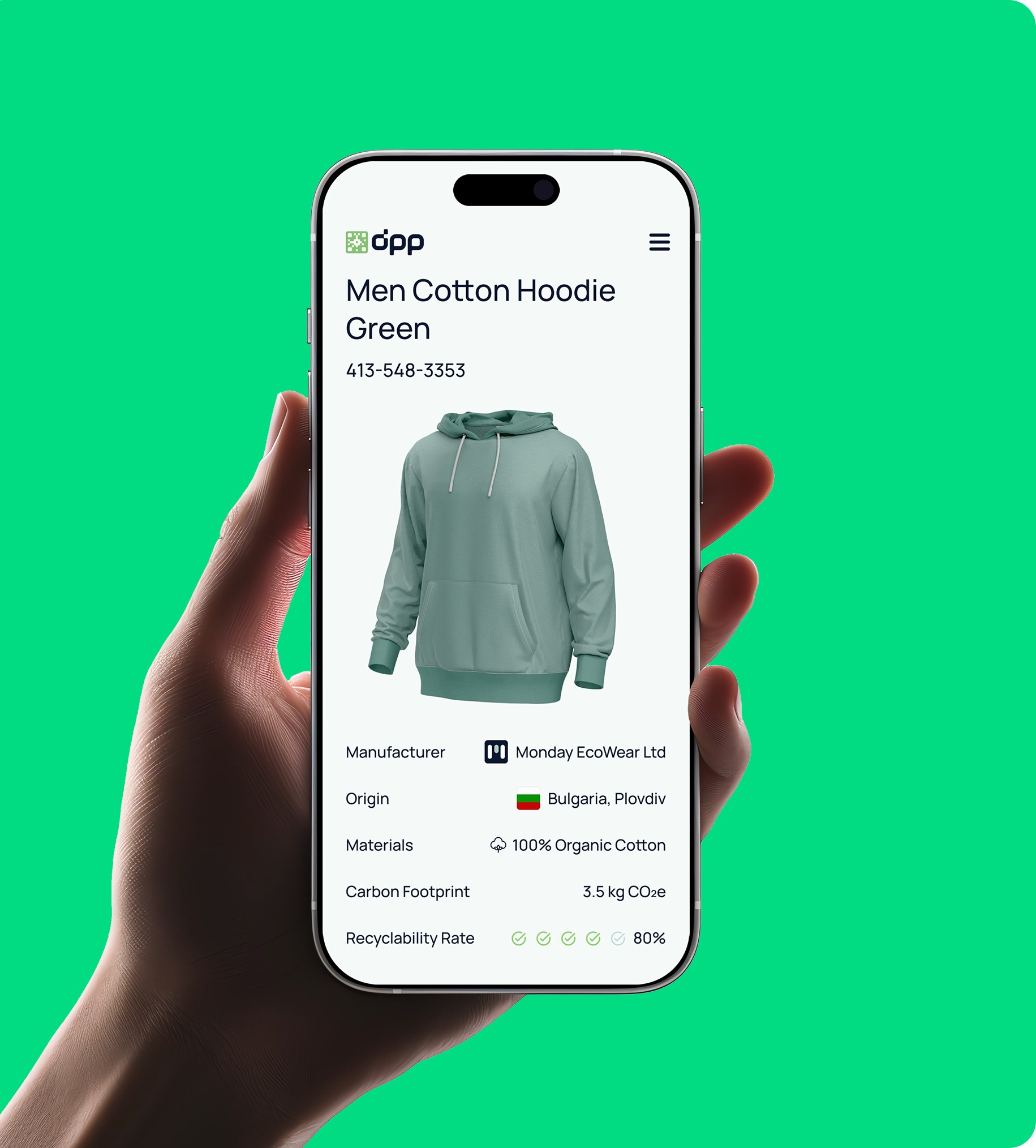
The Digital Product Passport (DPP) is a key instrument of ESPR – a standardized digital document with information about the product throughout its lifecycle. The regulation introduces DPP in phases for categories such as batteries, electronics, textiles, and furniture, requiring companies to provide data to customers, partners, and regulators. As part of the Green Deal and the circular economy, DPP promotes sustainable production and transparency. Companies that prepare early will gain a strategic advantage and greater consumer trust.
Learn More About DPPWhat Does ESPR Mean for Business in Practice?
Not just regulation, but an entirely new framework.
ESPR brings not only new requirements but also significant benefits for business. It creates greater customer trust through transparency and access to information, improves process efficiency through digitalization and standardized data, and provides a competitive advantage for companies that prepare on time. At the same time, the regulation ensures compliance with the Green Deal and allows businesses to position themselves as leaders in sustainable practices.

Become Part of the New Era of Transparency and Trust
With the Digital Product Passport (DPP), companies in the EU will achieve transparency, sustainability, and trust. We help you take the first step – easily, quickly, and without large investments.
ESPR and the EU
Frequently Asked Questions

The scope is very broad – practically all products on the European market. Specific rules and timelines will be determined by product category through EU delegated acts.
DPP is a “digital identity card” for the product, containing data about composition, production, repair, and recycling. For companies, this is a key tool for transparency, sustainability, and competitiveness.
The start is from February 2027 with batteries, electric vehicles, and industrial batteries over 2 kWh. Later, textiles, electronics, and construction products will follow.
The Digital Product Passport (DPP) gives companies an advantage – avoiding sanctions, building trust with customers and partners, better access to European markets, and resource optimization.
Non-compliance can lead to financial sanctions, product withdrawal from the European market, loss of supply contracts, and reputational damage.
Companies should follow the 2025–2030 work plan framework, evaluate their processes, and build systems for DPP implementation. It is best to choose a reliable partner for EU market compliance.

Get Started
Schedule a meetingHome
About Us
ESPR - Core Framework
DPP - Digital Product Passport
Work Plan 2025-2030
DPP - First Affected Industries
© 2026 WIARA DAAS Ltd.
All rights reserved.


