
For Manufacturers, Importers, and Distributors in the EU
Digital Product Passport (DPP) for EU Regulations
Working Together


Complete DPP Solution for the EU
DPP: What, Why and How?
The Essentials
What is DPP?
Digital Product Passport (DPP) is an EU "digital ID" for products, tracking composition, sustainability, and lifecycle. It offers structured, transparent access for manufacturers, consumers, and recyclers, ensuring key data is available to all stakeholders across the value chain.
Why Does It Matter?
From 2027, DPPs become mandatory—starting with batteries, then textiles, electronics, and construction. This shift demands new production and traceability standards, fostering transparency and trust. Beyond compliance, DPP is a strategic tool for sustainability and competitive edge.
Our Solution:
With our solution, DPP implementation is fast, without complex integrations and without large upfront investments. We help companies minimize costs by offering a ready-made platform and consultations tailored to your needs. This way you achieve compliance and competitive advantage.
All Stakeholders
Learn MoreWho Is DPP For?
WIARA – Trusted DPP Operator
Our Solutions

DPP for Textiles
DPP provides traceability from fibre to recycling, proves brands' sustainability, and inspires consumer confidence.
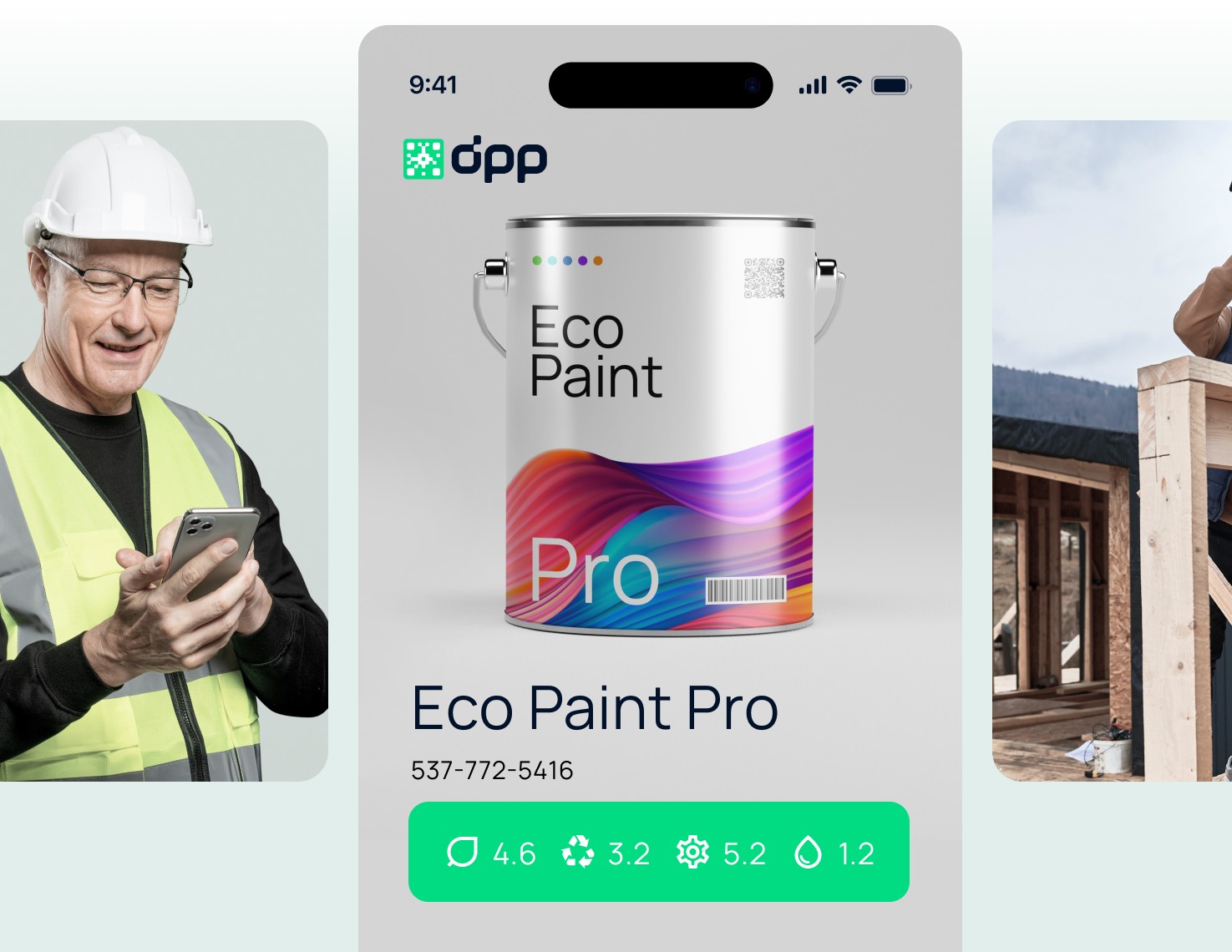
DPP for Construction Products
DPP ensures transparency for the composition and sustainability of construction materials, facilitating proof of origin and compliance with standards.

DPP for the Furniture Industry
DPP ensures transparency for the materials used, facilitates reuse and recycling. It proves the sustainability of production.
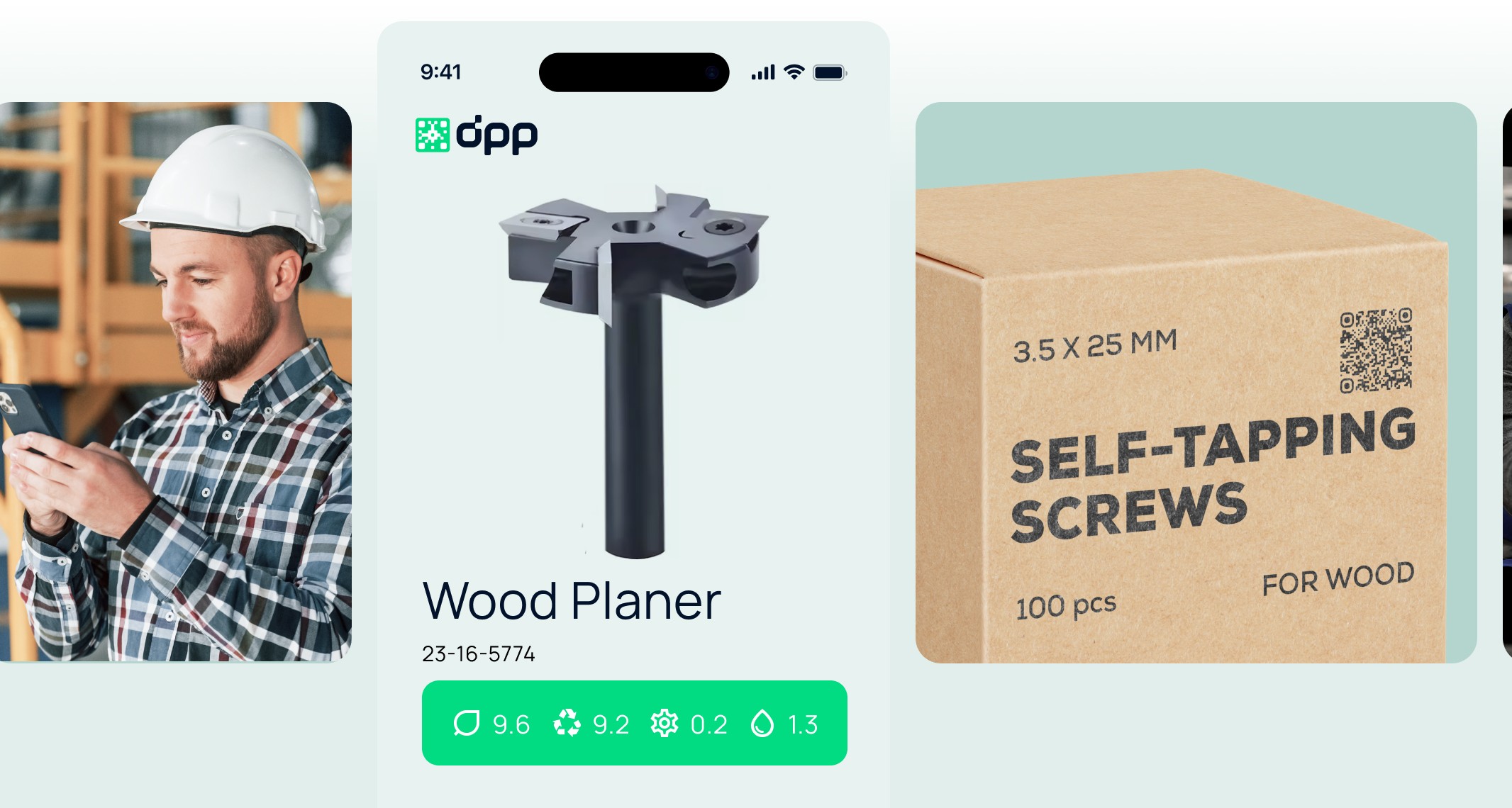
DPP for Manufacturers
Manufacturers create and maintain DPP, prove compliance and sustainability, earn trust and improve their processes.
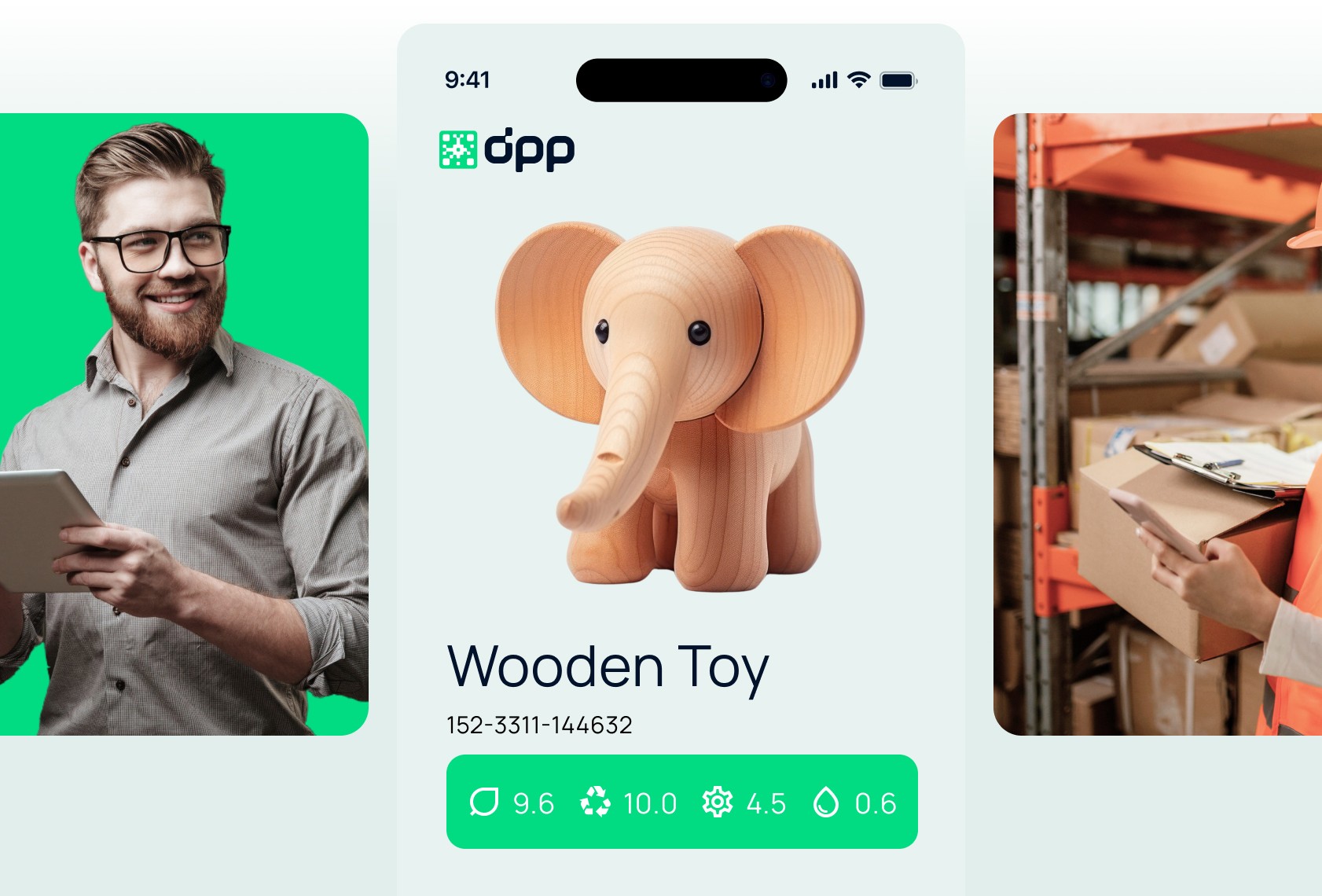
DPP for Importers
Importers ensure a valid DPP for every product and provide EU market access without risk of sanctions and delays.

DPP for Retailers and Service Centres
DPP simplifies warranties, repairs and product tracking. Retailers and service centres receive accurate information for higher quality service.
How We Help You
WIARA Supporting Your Business
Easy Start Without Complex IT Infrastructure
Our platform is ready to use – simply register and start creating digital product passports.
Secure and Reliable Architecture
Built on AWS cloud infrastructure with role-based access, encrypted connections, and the ability to scale as your business grows.
Integration with Existing Systems
ERP, CRM, warehouse, and production systems – we connect everything to avoid duplication and errors.
Expert Consultations and Training
We help you understand the new regulations and adapt your processes on time.
Process Automation
We create workflows that automatically update the data in your DPP and reduce administrative burden.

Connect Your Business with Europe’s Future – Digital and Responsible
What is DPP and how to integrate it into your products?
DPP in Europe
Frequently Asked Questions

A DPP is a standardized electronic document containing key information about materials, environmental footprint, recycling, and origin. For companies, this is a tool for demonstrating sustainability, compliance with European regulations, and easier access to international markets, while building customer trust.
The ESPR regulation will first apply to batteries, electronics, textiles, furniture, and appliances. Gradually, by 2030, the requirement will cover all major categories of consumer and industrial products offered on the European market.
Regulation (EU) 2024/1781 is already in force. The first requirements for mandatory Digital Product Passports are expected to come into effect from 2025 onwards. The European Commission will gradually define the product categories for which DPP becomes mandatory.
Companies should identify affected product lines, organize data collection according to European standards, and build systems for creating and managing digital passports. This is key to regulatory compliance and maintaining competitiveness in the market.
Non-compliance with the ESPR regulation can result in a ban on selling products in the EU. This carries the risk of financial losses, fines, and reputational damage. Companies without a digital passport will be excluded from the European market for mandatory product categories.
The benefits include greater transparency, building trust among partners and customers, improved international image, and better product management. For the market, this means more sustainable practices, reducing environmental footprint, and stimulating business competitiveness.
Recent Blog Posts

 Kiril Shivachev•February 26, 2026•3 min read
Digital Product Passport Operator: The profession that is changing the industry

 Stefan Dyankov•February 25, 2026•6 min read
DPP and the second use (Re-commerce): How will the passport change the used goods market in Bulgaria?
 Кирил Шивачев•February 19, 2026•6 min read
How can SMEs implement digital passports on a budget?
 Кирил Шивачев•February 12, 2026•4 min read
How does the DPP change the rules for non-EU providers?
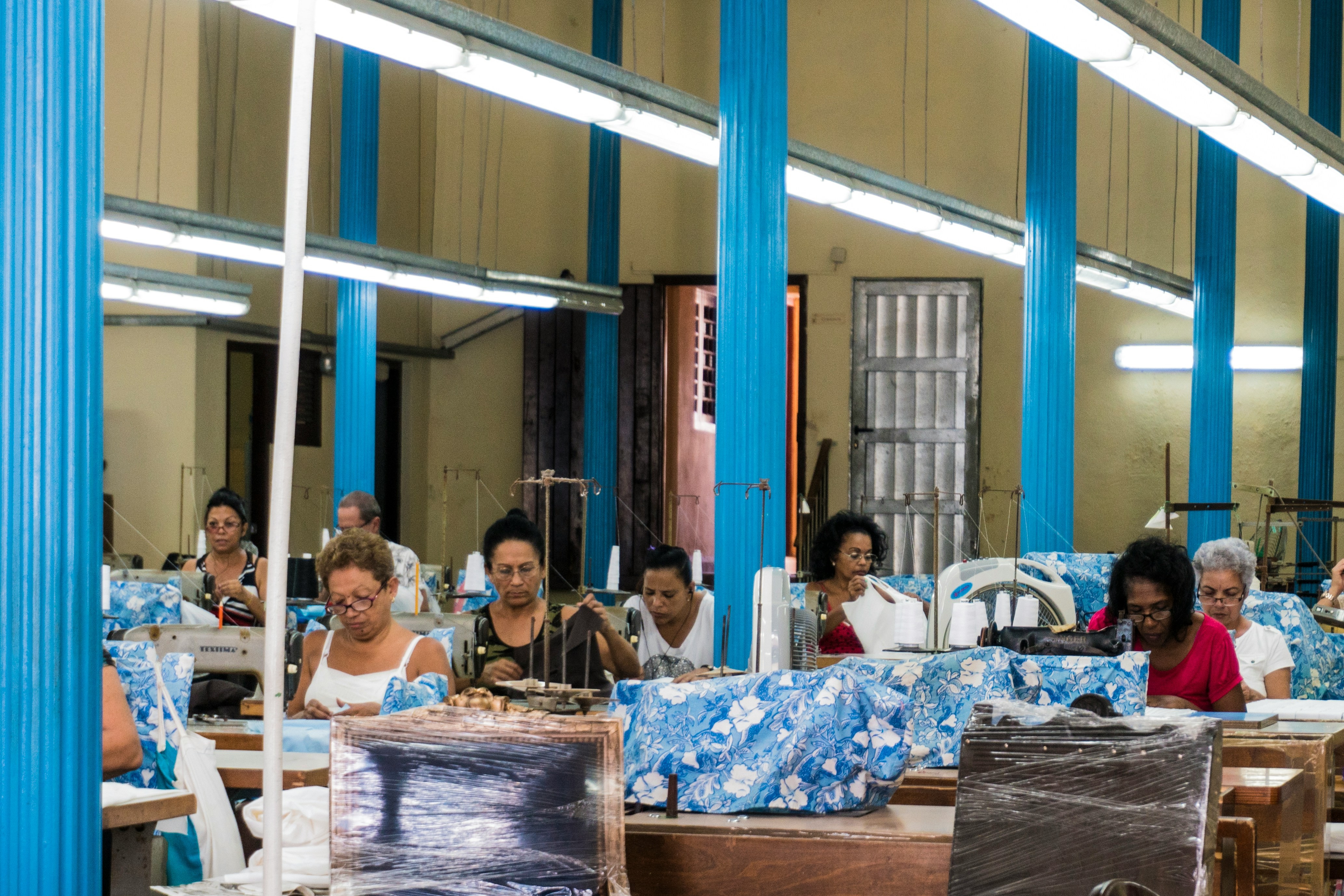 Kiril Shivachev•February 11, 2026•3 min read
EU Just Banned the Destruction of Unsold Textiles — Is Your DPP Timeline Ready?
 Стефан Дянков•February 10, 2026•6 min read
From compliance to competitive advantage: How to use DPP for green marketing
 Kiril Shivachev•February 2, 2026•4 min read
DPP as a Tool for Competitive Advantage
 Stefan Dyankov•January 29, 2026•5 min read
DPP and Circular Economy: Secondary Markets, Repair and Reuse
 Stefan Dyankov•January 7, 2026•5 min read
DPP for Electronics: What Will the Passports Contain?
 Кирил Шивачев•January 6, 2026•5 min read
DPP for Business
 Kiril Shivachev•November 26, 2025•10 min read
How to Prepare Your Company for DPP in 2026: A Practical Guide for Manufacturers and Importers
 Kiril Shivachev•November 17, 2025•3 min read
Which products will not have a Digital Product Passport (DPP)?
 Kiril Shivachev•October 13, 2025•7 min read
DPP in Construction – The Key to Competitiveness and Transparency
 Kiril Shivachev•October 8, 2025•7 min read
DPP for Furniture Industry
 Kiril Shivachev•September 23, 2025•7 min read
The Digital Product Passport in the Textile Industry and the Future of RFID Threads
 Kiril Shivachev•September 8, 2025•8 min read
The Digital Product Passport (DPP) – the new digital identity card of products